Recurring Sewer Clogs? How a Camera Inspection Uncovers Hidden Problems
Dr. Drain's Plumbing Services • June 6, 2026
If you’ve ever dealt with a stubborn sewer clog in your Charlotte-area home or business, you know how frustrating and disruptive it can be. Recurring backups, slow drains, and lingering odors often signal a deeper issue than just a simple blockage. At Dr. Drain’s Plumbing Services, we specialize in using camera sewer inspections to get to the root of your plumbing problems—literally and figuratively. In this article, we’ll explain why sewer clogs return, what hidden issues a camera inspection can reveal, and why it’s the first and most important step toward lasting repairs.
Why Do Sewer Clogs Keep Coming Back?
Many property owners in Charlotte, Matthews, Huntersville, and surrounding North Carolina communities attempt DIY fixes or use quick remedies when a sewer backs up. While plungers and chemical cleaners might provide initial relief, they only address surface-level symptoms. If sewer clogs keep returning, it’s a sign there are more serious problems lurking deeper in your sewer line. These issues could include:
- Pipe separations where sections have shifted apart
- “Bellies” or low spots in the pipe where waste and water collect
- Cracks or collapsed sections caused by age, pressure, or construction activity
- Invasive tree roots seeking moisture and nutrients inside your pipes
- Accidental damage from nearby utility boring, such as fiber optic or cable line installations.
Without a visual assessment, it’s nearly impossible to know which of these problems is affecting your line. That’s where a professional camera inspection comes in.
How a Camera Inspection Works
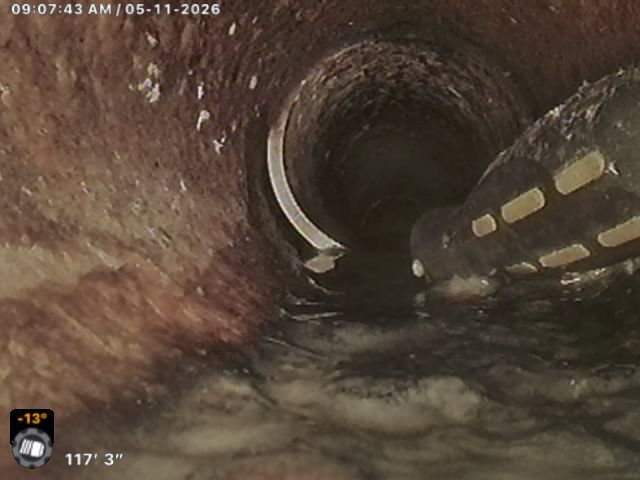
At Dr. Drain’s Plumbing Services, our licensed and insured technicians use high-resolution sewer cameras on flexible, waterproof cables. We insert the camera through an accessible drain or cleanout and snake it along the length of your sewer line. This lets us view real-time video footage of the inside of your pipes—identifying cracks, clogs, roots, broken joints, or even places where a new utility line has accidentally punched through your sewer.
This technology is particularly valuable in fast-growing areas like Charlotte, where ongoing fiber optic installations have increased the risk of bored-through sewer lines. Our team has documented dozens of cases where a new cable inadvertently pierced a sewer line, resulting in persistent clogs and costly backups down the road. With a camera inspection, these issues are caught immediately, and you receive photo and video evidence you can use when working with insurance companies or utility providers.
The Hidden Problems Camera Inspections Find
It’s not just about finding a clog—it’s about understanding why it keeps happening. Here are some of the most common hidden sewer line issues a camera inspection can uncover:
1. Pipe Separations: Over time, ground movement or improper installation can cause pipe joints to slip apart, creating gaps where debris snags and blocks flow.
2. Pipe Bellies: A sag or low spot—often caused by soil settling—creates a pool where waste and paper accumulate, leading to frequent backups.
3. Broken or Collapsed Pipes: Pipes can crack or collapse due to age, heavy loads above ground, or shifting soil, making it impossible for waste to pass through.
4. Tree Root Invasion: Roots are naturally attracted to the moisture in sewer lines, and even a tiny crack can allow roots to grow in, eventually blocking the line.
5. Bored-Through Lines: When crews install new utilities using horizontal boring, they sometimes strike existing sewer pipes. The result is a hole or severe damage that can only be diagnosed visually with a camera.
Why Camera Inspections Are the First Step in Permanent Repair
When recurring sewer clogs are an issue, guesswork isn’t good enough. A precise diagnosis saves you time and money by targeting repairs exactly where they’re needed—whether that’s pipe relining, replacement, or a simple root removal. Camera inspections also provide proof for insurance claims, warranty work, or negotiations with utility companies responsible for accidental boring damage.
FAQs
What are the signs I need a sewer camera inspection?
If you’re experiencing repeated backups, slow drains throughout your home, foul sewer odors, or unexplained wet spots in your yard, it’s time for a camera inspection.
Can a camera inspection spot every type of sewer problem?
While camera inspections are extremely effective for most problems—from roots to cracks to misaligned pipes—some issues, like leaks in pressurized lines, may require additional diagnostic tools.
How long does a typical sewer camera inspection take?
Most residential inspections take about 30–60 minutes, depending on line length and access. Dr. Drain’s team provides same-day service throughout the Charlotte Metro to minimize inconvenience.
Ready to See What’s Hiding in Your Sewer Lines?
Don’t let recurring clogs disrupt your home or business. At Dr. Drain’s Plumbing Services, we’re proud to offer honest, transparent service, the latest camera technology, and years of experience serving Charlotte and surrounding communities. Book your sewer camera inspection with Dr. Drain’s today—identify the true source of your clog and take the first step toward a permanent, stress-free repair. Call now or schedule online at www.drdrainsnc.com—clear pipes and peace of mind are just a click away.
Share This Blog