The Brutal Reality of Cast Iron Decay: North Carolina Sewer Repairs
Dr. Drain's Plumbing Services • September 2, 2026
Many older homes in the Charlotte area were built using cast iron plumbing that is now reaching the end of its natural lifespan. Decades of constant use and exposure to damp soil cause this heavy metal to rust from the inside out. At Dr. Drain's Plumbing Services, we see firsthand how ignoring the early warning signs of pipe decay leads to devastating sewage backups inside residential properties. Implementing a strict monitoring routine is the only way to stay ahead of complete structural failure.
Once cast iron begins to flake and crumble, the rough interior snags paper products and creates massive blockages. Treating this issue with harsh store bought liquids only speeds up the deterioration process and eats through the remaining metal. We want to provide you with a practical guide to maintaining your aging system and knowing exactly when it is time to call for help. Understanding the timeline of pipe decay empowers you to schedule professional North Carolina sewer repairs before your yard needs to be completely excavated.
What We Cover In This Guide
- Immediate Aftercare Following a Backup
- Ongoing Maintenance Habits for Aging Pipes
- How long does a cast iron sewer pipe last?
- Common Maintenance Mistakes That Speed Up Decay
Immediate Aftercare Following a Backup
When an older plumbing system backs up into your home, you must take immediate steps to clear the standing water and assess the damage. Acting quickly protects your flooring and gives the plumber a safe environment to work in.
- Shut Off the Water: Turn off the main water valve to stop any additional flow from pushing more sewage up through the lowest drains in the house.
- Document the Damage: Take clear photos of the flooded areas for your insurance records before you start wiping up the mess.
- Clear the Cleanout Path: Remove any stored boxes or yard debris from around your exterior sewer cleanout so the technician has direct access to the main line.
Ongoing Maintenance Habits for Aging Pipes
Living with cast iron pipes requires a highly proactive approach to what you allow down your drains. Changing your daily household habits is the most effective way to prevent debris from snagging on the rusted interior walls.
- Switch Toilet Paper: Use single ply toilet paper that dissolves rapidly in water to reduce the chance of thick paper wads getting stuck in the pipe bellies.
- Dispose of Grease Properly: Pour all cooking fats into a disposable container instead of the kitchen sink to prevent sticky buildup inside the main line.
- Install Drain Catchers: Place mesh screens over your shower and bathtub drains to stop long hair from tangling inside the rough cast iron plumbing.
This proactive approach to identifying and addressing underground decay is something clients notice firsthand when we inspect their properties.
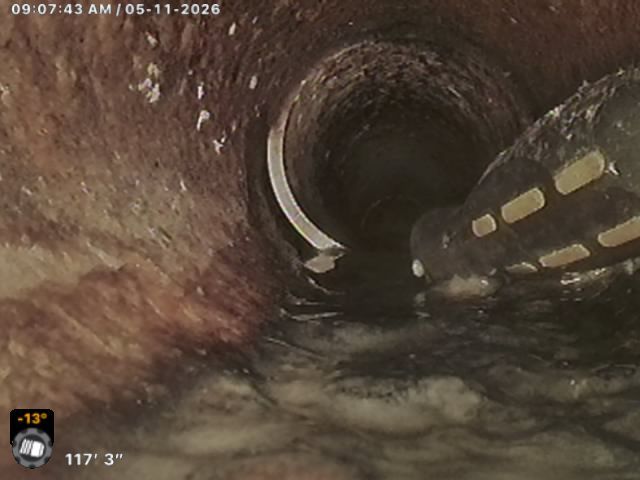
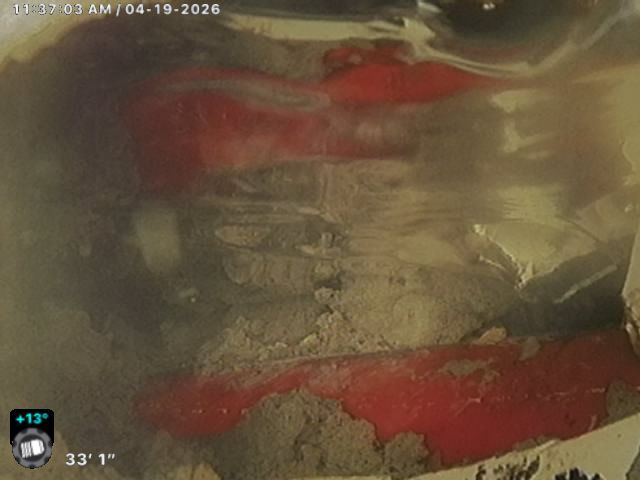
► Client Experience: Pete Ramsay shared "An emergency call that both John and his son worked diligently on for a full day. He worked tirelessly, snaked the line into the double-digit times before successfully clearing. After feeding a camera through the line, found the iron piping was complete decayed through a portion of the line."
Thoroughly investigating the root cause of the blockage instead of just applying a quick patch is exactly why Pete Ramsay keeps our number saved.
How long does a cast iron sewer pipe last?
A residential cast iron sewer line typically lasts between fifty and seventy five years depending on the acidity of the soil and the volume of water flowing through it. Homes built before the nineteen eighties are currently sitting in the prime window for severe structural failure. Once the bottom of the pipe rusts completely through, raw sewage begins leaking directly into the soil beneath your foundation. This creates a trenching effect that causes the remaining pipe sections to sag and collapse entirely.
Common Maintenance Mistakes That Speed Up Decay
Homeowners often try to solve slow drainage issues themselves and inadvertently destroy their aging plumbing infrastructure. Knowing what to avoid is critical for preserving the remaining metal.
- Using Acidic Cleaners: Pouring liquid drain cleaners into cast iron creates a violent chemical reaction that eats massive holes through the weakened pipe walls.
- Flushing Flushable Wipes: Relying on wipes marketed as flushable guarantees a severe blockage because these thick cloths do not break down in standing water.
- Ignoring Gurgling Sounds: Brushing off bubbling noises from your toilet bowl means you are ignoring the earliest warning sign of a restricted main line.
► The single most important maintenance fact is that waiting until an old cast iron pipe collapses completely will triple the cost of the repair due to the required emergency excavation.
Protecting Your Property from Pipe Failure
Managing a historic plumbing system requires diligence and an honest assessment of its current condition. By monitoring what goes down your drains and avoiding harsh chemicals, you buy yourself valuable time. Reach out to our diagnostic team today to schedule a thorough video inspection and determine the true health of your underground pipes.
Share This Blog