5 Hidden Rust Warnings Requiring Water Heater Repair in North Carolina
Dr. Drain's Plumbing Services • August 11, 2026
Your water heater works silently in the background until an unexpected leak floods your utility closet. Over time, constant exposure to heat and local hard water degrades the internal metal components of your storage tank. At Dr. Drain's Plumbing Services, we help families across Matthews and the surrounding suburbs spot the early warning signs of internal tank corrosion. Catching these hidden symptoms early prevents catastrophic ruptures and guarantees a steady supply of hot water for your household.
The steel walls of your heating tank are in a constant battle against rust. Fortunately, manufacturers design specific safety mechanisms to slow this natural decay process down. We want to outline the specific physical clues that indicate your equipment is actively failing. Following these practical tips ensures you book water heater repair North Carolina locals trust before your tank bursts open.
What You Will Learn
- Tip 1: Listen for Boiling Sounds in the Tank
- Tip 2: Watch for Discolored Hot Water
- Tip 3: Inspect the Temperature and Pressure Valve
- Tip 4: Check the Base for Microscopic Puddles
- Frequently Asked Questions
Tip 1: Listen for Boiling Sounds in the Tank
A healthy heating unit should operate with a gentle, barely audible hum. Loud rumbling or popping sounds point to a severe accumulation of mineral sediment trapped against the bottom burner plate.
- Sediment Flushing: Attach a garden hose to the bottom drain valve and flush the loose calcium out of the system every autumn.
- Efficiency Checks: Recognize that sediment acts as an insulator, forcing the burner to run much hotter and wasting massive amounts of gas.
- Hardware Strain: Understand that ignoring the boiling sounds eventually overheats and cracks the internal glass lining of the tank.
This is something clients notice firsthand when an aging unit reaches the point of total failure.
► Client Experience: Samantha Elizabeth shared, “We had a water leak from our 19yo water heater and the water was leaking through our downstairs ceiling. I reached out to John and he came over that night and fixed the active leak. By Monday afternoon, we had our old water heater removed and the brand new one installed!!”
Securing an active leak and performing a fast hardware swap brings immense relief, which is why Samantha Elizabeth highly recommends our business.
Tip 2: Watch for Discolored Hot Water
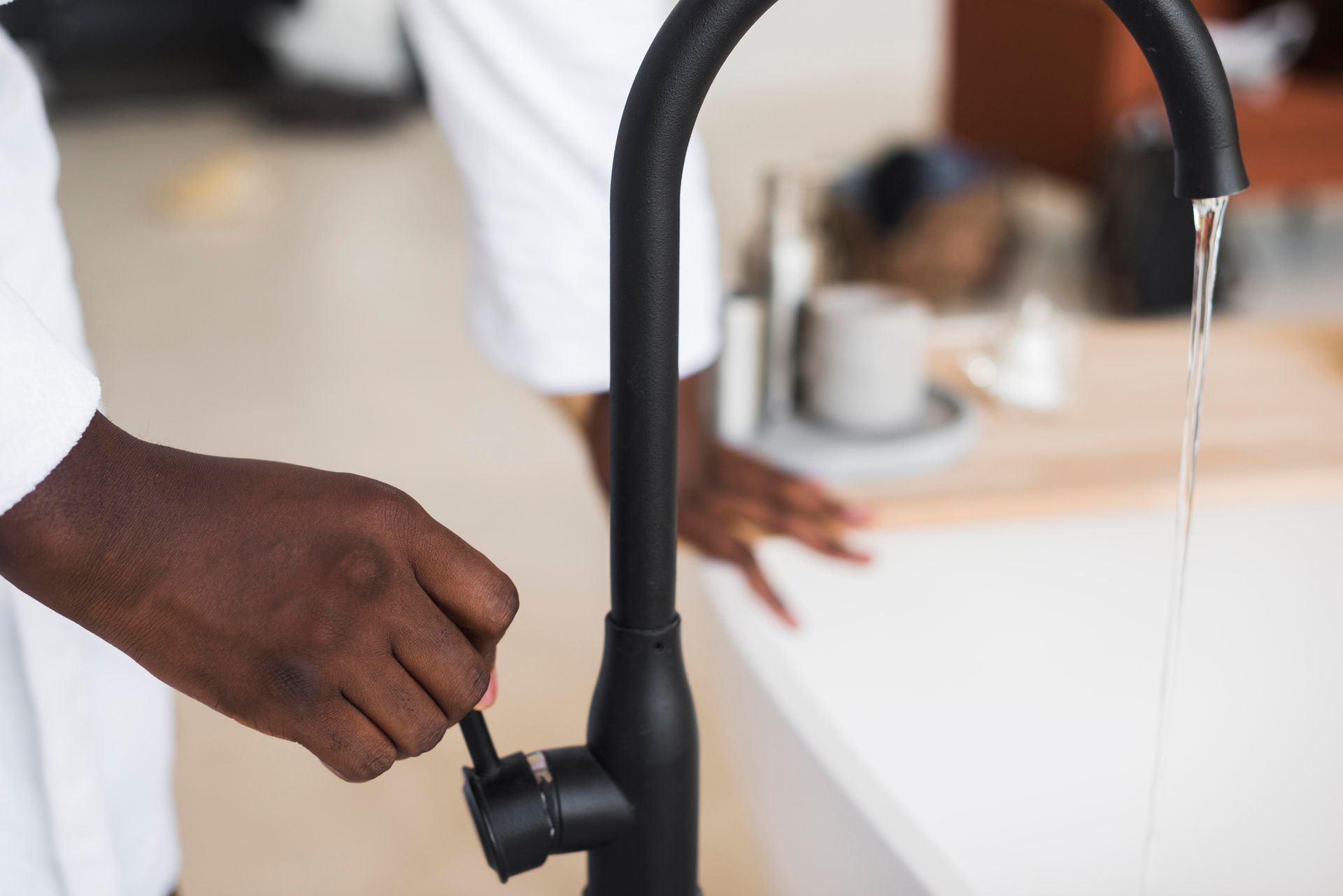
When you turn on the hot tap and see rusty, orange-tinted water, your tank is bleeding oxidized metal directly into your plumbing. This is an undeniable signal that the internal walls are severely compromised.
- Cold Water Comparison: Turn on the cold tap to verify the rust is isolated strictly to the heating tank and not the municipal supply.
- Laundry Stains: Watch for mysterious reddish-brown stains appearing on your white clothing after a hot wash cycle.
- Urgent Evaluation: Call a professional immediately, as rusty hot water means the tank is likely days away from a complete structural rupture.
Tip 3: Inspect the Temperature and Pressure Valve
The safety relief valve prevents your water heater from turning into a highly pressurized bomb. A valve that constantly weeps rusty water is warning you about dangerous internal pressure spikes.
- Visual Checks: Look for crusty white or orange mineral trails running down the side of the tank from the brass valve opening.
- Safe Testing: Place a bucket underneath the discharge tube and briefly lift the metal lever to ensure it snaps back and seals tightly.
- Professional Repair: Never attempt to cap or plug a dripping relief valve, as you must hire a licensed plumber to replace the faulty brass mechanism safely.
Tip 4: Check the Base for Microscopic Puddles
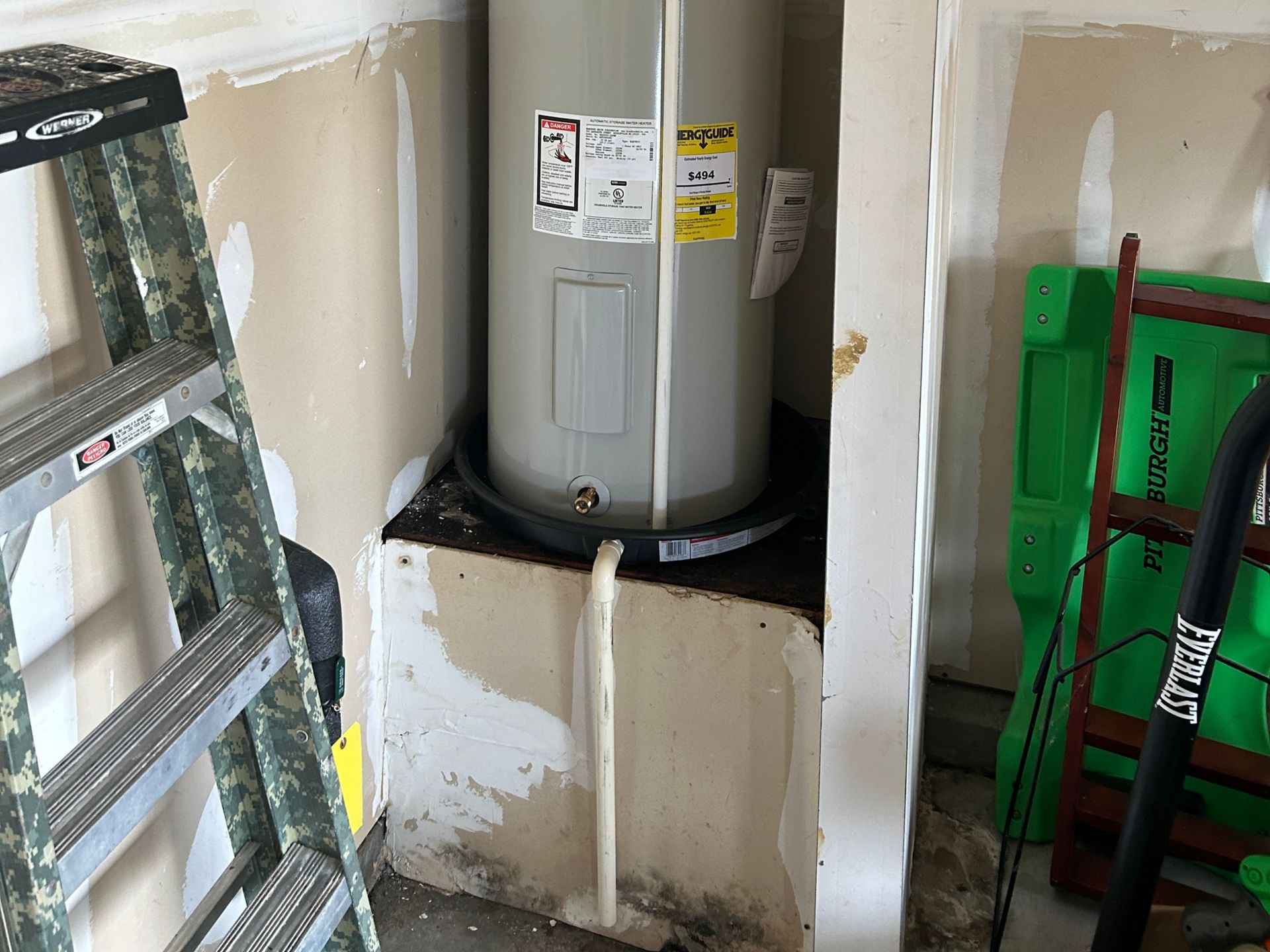
Even the smallest drop of water sitting around the base of the unit requires immediate professional investigation. Small exterior puddles often indicate microscopic fractures hiding beneath the outer insulation jacket.
- Flashlight Scans: Shine a bright light around the bottom rim of the metal casing to spot dampness on the concrete floor.
- Supply Line Drips: Run a dry paper towel over the top copper connections to rule out a loose fitting dripping downward.
- Structural Failure: Acknowledge that if the actual steel tank is weeping water from a rusted seam, no repair is possible, and a total replacement is mandatory.
Frequently Asked Questions
What is the average lifespan of a traditional storage water heater?
A traditional storage tank generally lasts between eight and twelve years. Hard water conditions, high baseline pressure, and a lack of routine sediment flushing will significantly shorten this expected timeframe.
Can a plumber fix a rusted hole in the side of the tank?
No, a plumber cannot safely patch or weld a rusted hole in the pressurized steel tank. Once the structural integrity of the inner cylinder is compromised by rust, the only legal and safe solution is a full equipment replacement.
Why does my hot water run out faster than it used to?
Your hot water runs out quickly because thick layers of hardened mineral scale are taking up physical space inside the tank. Additionally, a broken lower heating element on an electric model cuts your total hot water capacity exactly in half.
Addressing Rust Before Total Failure
Monitoring your equipment for popping noises and rusty water prevents a disastrous basement flood. By checking the safety valves and watching for microscopic puddles, you stay ahead of total structural failure. Contact our dispatch team today to schedule an expert tank flush and diagnostic assessment.
Share This Blog