Protecting Your Investment After Water Heater Repair and Replacement
Dr. Drain's Plumbing Services • October 20, 2026
Investing in a major plumbing fix brings a wonderful sense of relief to your household. Once the hot water is flowing again, it is easy to forget about the equipment sitting quietly in your garage or utility closet. At Dr. Drain's Plumbing Services, we encourage Matthews homeowners to adopt a proactive mindset following any significant equipment upgrade. Proper aftercare is the secret to getting the maximum lifespan out of your residential systems.
Neglecting routine upkeep allows hard water minerals and pressure fluctuations to silently damage your fresh components. Simple monthly and yearly habits will keep your newly serviced equipment running at peak efficiency. We have put together an easy maintenance guide to help you safeguard your home. Following these steps protects your budget and prevents surprise failures down the road.
Inside This Guide
- Immediate Aftercare for Your Heating Equipment
- Ongoing Habits to Extend System Lifespan
- Common Maintenance Mistakes That Undo Your Results
- How do you safely flush sediment from a newly repaired water heater?
- Keeping Your Home Systems Healthy
Immediate Aftercare for Your Heating Equipment
Once the technician leaves your home, you need to establish a baseline for how your new or repaired system operates. Checking the surrounding area ensures everything is settling in safely.
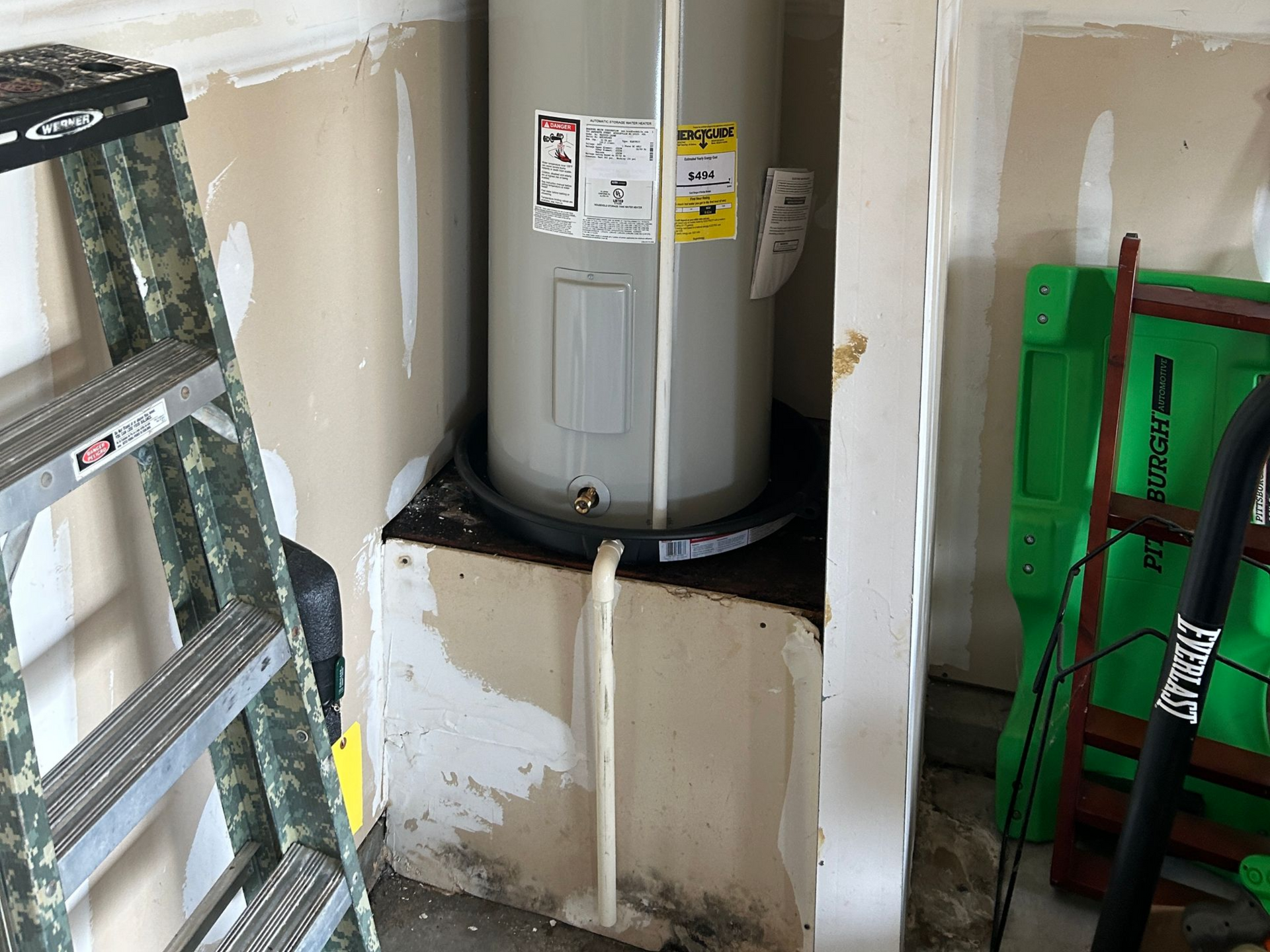
- Monitor for Drips: Check the floor around the base of the tank daily for the first week to ensure all new connections and valves are completely watertight.
- Listen to the Cycles: Pay attention to the sounds the unit makes while heating, as a quiet hum is normal, but loud popping indicates early sediment issues.
- Check the Temperature: Verify that the thermostat dial is set to a safe and efficient level, typically around one hundred and twenty degrees Fahrenheit.
Ongoing Habits to Extend System Lifespan
Consistent monitoring prevents minor wear and tear from escalating into expensive breakdowns. Integrating plumbing checks into your seasonal home care routine pays off immensely.
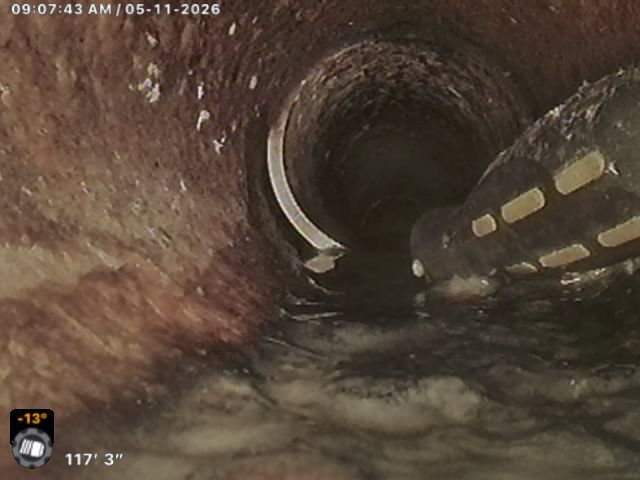
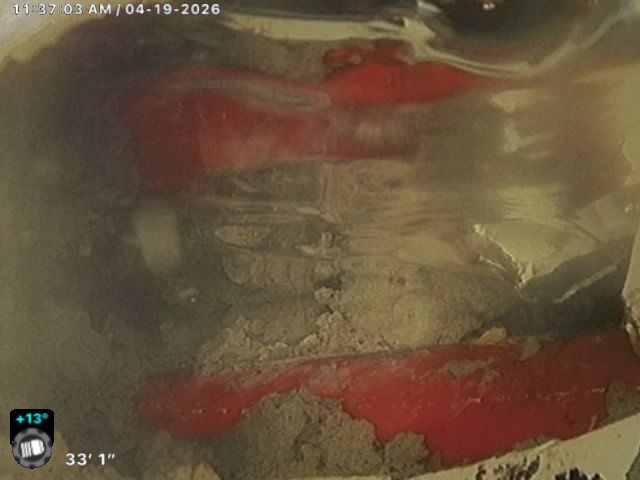
- Schedule Annual Inspections: Book yearly evaluations for your heating systems and arrange routine sewer inspections to catch hidden property issues early.
- Test the Relief Valve: Carefully lift the lever on the temperature and pressure relief valve twice a year to ensure it releases water and shuts off properly.
- Evaluate Water Quality: If you notice hard water spots on your dishes, consider installing a water softening system to reduce mineral scale buildup inside your pipes.
This level of reliable support is something clients notice firsthand when they need fast and efficient service.
► Client Experience: Samantha Elizabeth shared “I reached out to John and he came over that night and fixed the active leak. He drained the old water heater and disconnected it completely. By Monday afternoon, we had our old water heater removed and the brand new one installed!! Talk about fast and efficient customer service.”
Being available for rapid solutions and swift installations is why Samantha Elizabeth highly recommends our dedicated team.
Common Maintenance Mistakes That Undo Your Results
Homeowners often accidentally shorten the life of their plumbing by ignoring manufacturer guidelines. Knowing what to avoid is just as important as knowing what to do.
- Ignoring the Anode Rod: Failing to have a professional check the sacrificial anode rod every few years guarantees the actual steel tank will eventually rust and burst.
- Setting Temperatures Too High: Cranking the thermostat up to maximum heat increases your energy bill and significantly accelerates internal mineral scaling.
- Skipping Drain Cleaning: Forgetting to protect your connected plumbing allows severe sewer main clogs to form, which can put backward pressure on your entire household water system.
► The single most important maintenance fact is that draining a few gallons of water from the bottom of your tank every six months stops destructive sediment from ruining the lower heating elements.
How do you safely flush sediment from a newly repaired water heater?
To safely flush sediment, you must first turn off the power source to the unit to avoid burning out the elements. Connect a heavy duty garden hose to the drain valve located near the bottom of the tank and route the other end to a safe outdoor drainage area. Open the valve and let the water flow until it runs completely clear and free of rusty discoloration. Close the valve, remove the hose, and allow the tank to completely refill before turning the power back on.
Keeping Your Home Systems Healthy
Taking an active role in maintaining your plumbing equipment ensures your daily routines are never interrupted by a lack of hot water. By flushing the tank and monitoring the valves, you protect the investment you just made in your home. Call our knowledgeable team today to set up a recurring maintenance plan that keeps all your pipes and tanks in perfect condition.
Share This Blog