Clearing Severe Sewer Main Clogs Before the Freezing Weather Hits
Dr. Drain's Plumbing Services • October 28, 2026
When the autumn leaves fall and the brisk air settles over Gastonia, homeowners begin preparing for the harsh winter ahead. While checking window seals is standard practice, many people overlook the silent threats lurking inside their plumbing. At Dr. Drain's Plumbing Services, we know that sluggish drains and minor blockages quickly escalate into full blown emergencies when the ground freezes. Addressing these issues now is the only way to safeguard your property from an incredibly messy and expensive disaster.
A pipe that is partially blocked holds standing wastewater that should have drained away. When severe cold weather strikes, this trapped water expands as it turns to ice, exerting massive outward pressure on the pipe walls. We have structured a clear, three stage action plan to help you secure your waste lines before the frost sets in. Taking immediate action guarantees your household remains safe, warm, and dry.
Action Plan Stages
- Stage 1: Assess Your Plumbing for Hidden Blockages
- Stage 2: Schedule Professional Sewer Inspections
- Stage 3: Protect Your Infrastructure from Freezing
- Frequently Asked Questions
- Finalizing Your Winter Plumbing Defense
Stage 1: Assess Your Plumbing for Hidden Blockages
You must evaluate the daily performance of your household drains before the outdoor temperatures drop below freezing. Spotting the early signs of a restriction gives you a vital head start.
- Listen for Gurgling: Pay close attention to your bathtub or sink drains to see if they bubble and pop when the toilet is flushed.
- Monitor Drainage Speed: Notice if the water in your shower basin pools around your ankles and takes several minutes to empty after you turn off the faucet.
- Check the Cleanout: Walk around your yard and inspect the exterior sewer cleanout cap for any foul odors or wet soil pooling around the plastic cover.
Stage 2: Schedule Professional Sewer Inspections
Once you suspect a slowdown, you must get your name onto a service calendar immediately. Plumbing schedules fill up rapidly the moment the local weather forecast predicts the first major freeze.
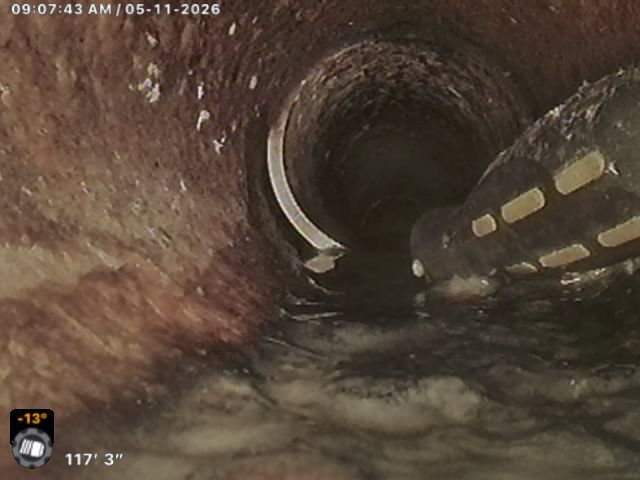
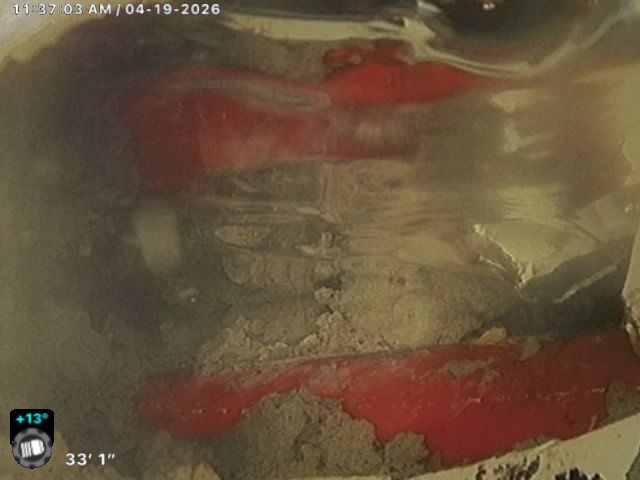
- Request Camera Diagnostics: Ask your plumbing provider to run a high definition camera down the main line to see exactly what is causing the restriction.
- Book Hydro Jetting: Schedule a high pressure water jetting service to completely scour the inside of the pipes and remove all sitting grease and sludge.
- Plan for Excavation: If the camera reveals a collapsed pipe, secure a date for prompt sewer repairs before the frozen ground makes digging extremely difficult.
This proactive and reliable approach is something clients notice firsthand when they face intimidating drainage situations.
► Client Experience: David Danielewicz shared “Used them for a main line backup. Cleaned out the same day(in less than 3hrs from calling) and everything inspected. HIGHLY recommend based on call response and quality of work!”
Providing rapid response and thorough cleaning for major backups is why David Danielewicz highly recommends our emergency services.
Stage 3: Protect Your Infrastructure from Freezing
The final stage requires protecting the newly cleared pipes from the freezing ambient air. Insulating your vulnerable areas keeps the water flowing safely to the municipal connection.
- Seal Crawl Space Vents: Close any open exterior vents in your crawl space to prevent freezing wind from blowing directly onto your exposed waste pipes.
- Apply Pipe Insulation: Wrap all accessible bare pipes in unheated basements or garages with thick foam insulation sleeves.
- Fix Dripping Faucets: Repair any leaky indoor or outdoor faucets, as a constant slow drip can gradually freeze and create an ice dam deep inside the drain line.
► The single most important urgency fact is that a blocked sewer line full of standing water will freeze solid and shatter the pipe, requiring thousands of dollars in emergency excavation to fix.
Frequently Asked Questions
Why do sewer main clogs worsen as temperatures drop?
During the warmer months, cooking grease and fat poured down the sink remain somewhat soft and liquid. When the surrounding soil temperature drops in the winter, that grease rapidly hardens into a dense, waxy substance. This solid fat acts like glue, trapping paper products and organic waste until the entire diameter of the pipe is completely choked off.
Can freezing weather cause a blocked pipe to burst?
Absolutely. Water expands by about nine percent when it turns into ice. If a clog prevents water from draining out to the street, that standing water will eventually freeze during a cold snap. The expanding ice places thousands of pounds of pressure on the pipe walls, which easily cracks rigid cast iron or splits modern PVC lines.
How do professionals safely clear winter plumbing blockages?
Professionals use specialized equipment like heated hydro jetters to melt hardened grease and push the blockage safely into the municipal system. We also rely heavily on camera technology to verify that the pipe has not already cracked from the ice pressure. Attempting to force a mechanical snake through a frozen, brittle pipe yourself often causes more structural damage.
Finalizing Your Winter Plumbing Defense
Shielding your home from the bitter cold requires making sure your waste lines are completely clear of standing water. By assessing your drains and booking professional sewer repairs now, you remove the risk of bursting pipes. Call our emergency dispatch team today to clear your lines and face the winter season with total confidence.
Share This Blog